
Introduction to Open-Ear Audio Technology
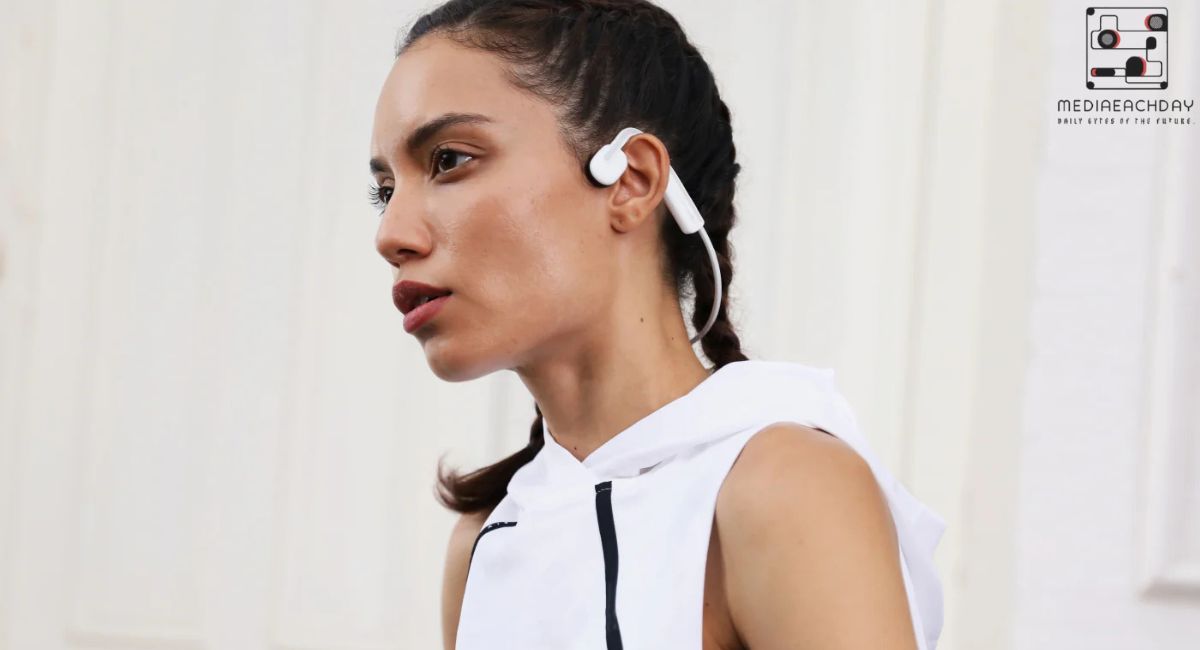
What are open ear headphones and why are they suddenly everywhere? In simple terms, open ear headphones are a fresh take on personal audio that lets you enjoy sound without sealing off your ears. Instead of sitting inside the ear canal, these non-in-ear headphones rest outside, allowing natural sounds to mix with your music.
Powered by smart open ear technology, including air-based speakers or bone conduction headphones, they help maintain real-world awareness. This design supports better situational awareness, which makes them popular for walking, commuting, and workouts. As people look for safer and more comfortable listening options, open ear designs are quickly becoming the go-to choice for everyday use in modern, fast-moving environments.
What Are Open Ear Headphones and How Do They Work
Unlike earbuds, non-in-ear headphones sit outside your ears. They do not block ear canal space at all. Instead, sound travels through air conduction audio or vibrations. This design allows ambient sound to flow in naturally.
Many wireless open ear headphones use gentle speakers aimed at your ears. Others rely on bone conduction headphones, which send sound through cheekbones. Both approaches help you hear surroundings while listening, creating a truly safer alternative to earbuds.
Understanding Sound Delivery Outside the Ear Canal
Sound reaches your inner ear without sealing anything off. This method supports sound quality with awareness. Thanks to directional audio technology, music stays focused while outside noise remains audible. The result feels open, balanced, and refreshingly real.
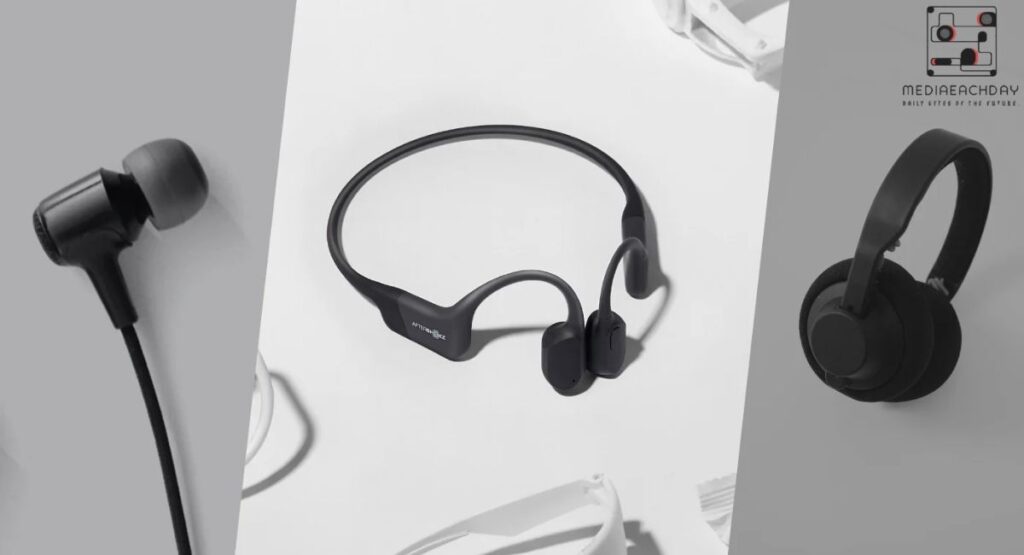
Key Differences Between Open-Ear, Bone Conduction, and Traditional Headphones
Traditional headphones isolate you. open ear headphones do the opposite. They keep you connected. Bone conduction headphones send vibrations through bone, while open speakers rely on air. Both protect awareness. Both feel lighter and less intrusive.
Earbuds chase silence. Open designs chase balance. With ambient sound awareness, you trade booming bass for safety. This shift suits walking, working, and commuting. Many users call them safe listening headphones built for real-world movement.
Why Open Ear Technology Matters for Everyday Listening
Daily routines demand flexibility. open ear technology supports calls, music, and alerts together. Parents, office workers, and commuters value this mix. You stay engaged without missing what matters around you.
Long-term use matters too. These designs prevent ear fatigue and reduce pressure. Many Americans prefer gear that feels effortless. Over time, comfortable headphones for long use protect hearing and comfort better than sealed designs.
Safety Benefits and Situational Awareness Explained
Safety drives adoption. Situational awareness can prevent accidents on busy streets. Hearing horns, bikes, or voices matters. That is why these feel like safe commuting headphones for urban and suburban life.
Runners and walkers benefit most. headphones for running and cycling help you stay alert. Police departments and fitness trainers often recommend outdoor listening devices that do not isolate users from traffic sounds.
Sound Quality, Audio Performance, and Limitations
Sound has improved a lot. Today’s models deliver balanced sound quality, clear treble and mids, and controlled volume. Music sounds clean. Voices sound sharp. You still notice the world around you.
Bass remains lighter. That is the tradeoff. Yet reduced sound leakage helps keep audio personal. Many listeners prefer this noise-free listening experience because it feels natural rather than overwhelming.
Comfort, Fit, and Long-Term Wear Experience
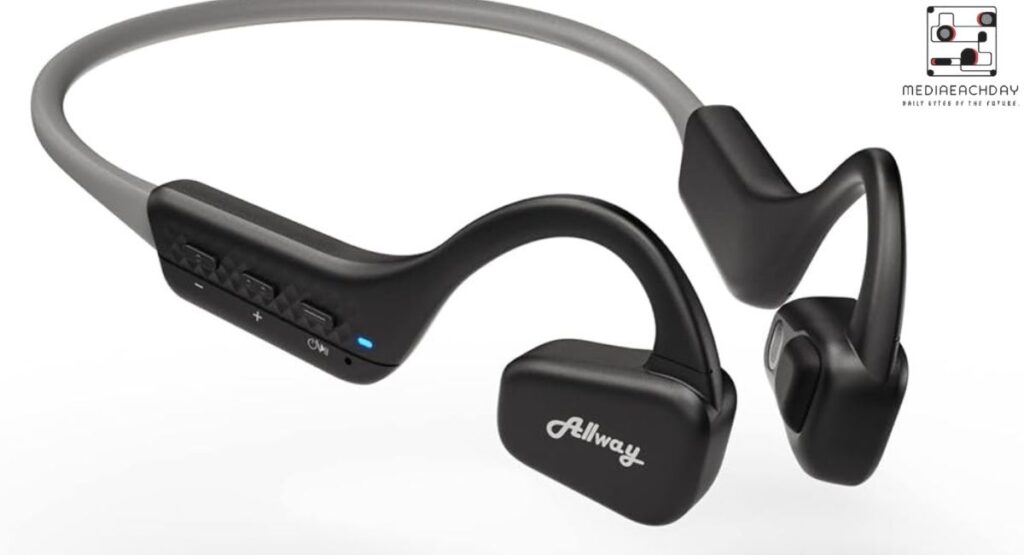
Comfort sets these apart. A lightweight headphone design rests gently on your ears. No pressure. No soreness. You forget they are even there after hours of use.
People with sensitive ears love them. Sweat buildup drops. Pain disappears. This makes them comfortable for long listening sessions, especially during workdays or extended travel.
Perfect Use Cases for Fitness, Outdoor Activities, and Work
Athletes love stability. These fitness headphones stay put. The secure fit during workouts works for yoga, running, and strength training. Many models qualify as sports headphones built for motion.
Office workers benefit too. You hear coworkers while taking calls. Remote teams appreciate fitness-friendly audio gear that works anywhere. They truly feel designed for outdoor activities and indoor life alike.
Battery Life, Connectivity, and Smart Features
Modern models last longer. Many qualify as long battery life headphones, offering eight to ten hours daily. Quick charging helps busy schedules stay on track.
Connectivity feels seamless. Bluetooth open ear headphones pair fast and stay stable. Some models support multipoint pairing and voice assistants. Many are water-resistant headphones and sweatproof headphones for all-weather use.
Final Thoughts: Are Open Ear Headphones Worth It for You
If awareness matters, the answer is yes. open ear headphones balance safety, comfort, and sound better than ever. They suit active lives. They suit mindful listeners.
For Americans who move a lot, these devices shine. They protect hearing. They support connection. They represent a smarter way forward for music lovers who value presence as much as sound.
FAQs
1: What are the disadvantages of open-ear headphones?
Open-ear headphones usually offer less bass depth and sound isolation. In very noisy places, audio may feel softer compared to sealed headphones.
2: Can people hear open-ear headphones?
Yes, at higher volumes some sound can leak out. However, modern designs reduce leakage enough for normal public use.
3: Are open-ear earphones better for your ears?
They can be better for ear health because they don’t block the ear canal and help reduce pressure and long-term ear fatigue.
4: What is the difference between open and closed headphones?
Open headphones allow outside sound in and keep you aware. Closed headphones isolate sound and block most external noise.
5: What are the disadvantages of open back headphones?
Open back headphones leak sound and provide little noise isolation, making them less suitable for loud or shared environments.
6: What is the purpose of open ear headphones?
Their main purpose is to let you enjoy audio while staying aware of your surroundings, improving safety and everyday comfort.

I am an SEO expert with 4 years of experience. I have worked with numerous clients and helped improve their website SEO.