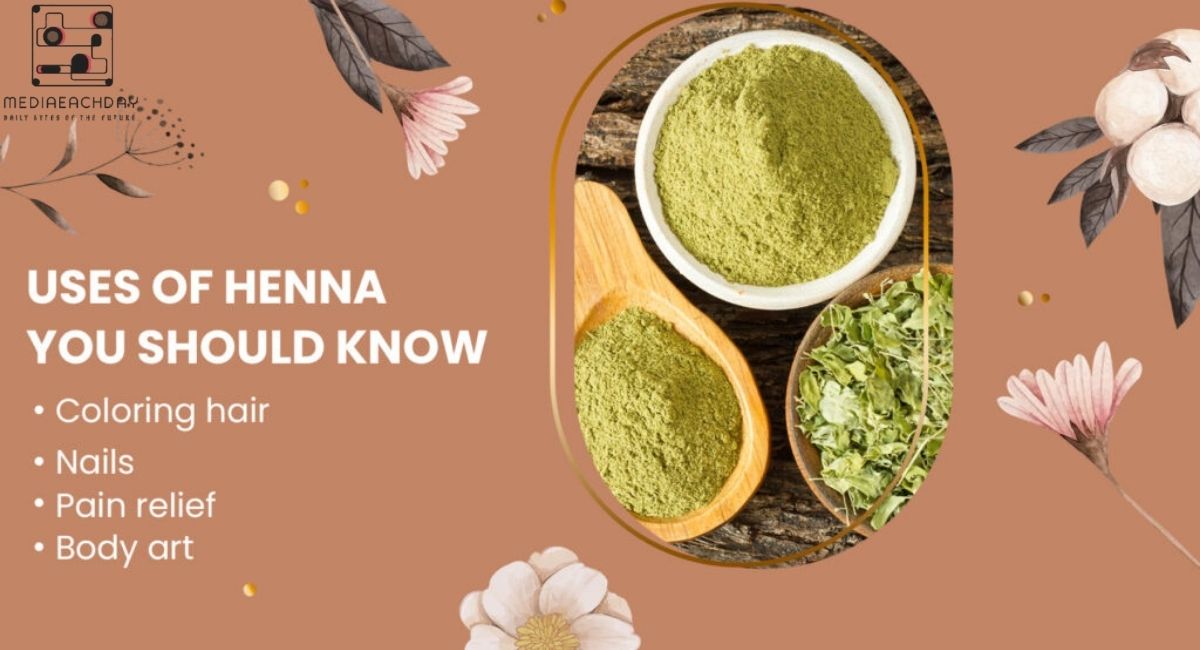

What is henna made out of? At its core, henna comes from the dried leaves of the henna plant, scientifically known as Lawsonia inermis. These leaves are harvested, dried under controlled conditions, and finely ground to create organic henna powder. When mixed with liquid, this powder releases a natural pigment used as a natural hair dye and skin stain.
Because it contains no synthetic additives, henna remains a trusted herbal beauty ingredient across cultures. High-quality, pure henna for hair delivers color while supporting hair and scalp health, making it a popular choice for people seeking clean, plant-based beauty solutions.
What Is Henna Made Out Of and Why It Has Been Used for Centuries
Henna comes from dried leaves ground into a fine powder. When mixed with liquid, it releases a dye molecule that binds to keratin. This explains why henna is completely natural and trusted across cultures for beauty and wellness. Ancient communities valued its cooling effect in warm climates.
Long before modern cosmetics, people relied on henna for hair care, skin decoration, and rituals. Even today, historians note that henna is used for beauty and wellness because it delivers color and care together. That timeless reliability still attracts modern American consumers.
Henna Is a Natural Hair Dye
For anyone tired of harsh formulas, henna is a natural hair dye that respects hair health. Instead of breaking strands open, henna coats the hair naturally and forms a protective layer. Color develops slowly, which keeps hair resilient and soft.
Unlike synthetic options, henna works on the hair’s surface while strengthening it. This makes it a popular chemical-free hair dye choice for people seeking long-term results rather than quick fixes. Hair feels stronger after every application.
Different Types of Henna Colors for Hair
Many assume henna means bright red, yet the truth is broader. Henna for hair coloring can create copper, auburn, chestnut, or deep brown tones depending on blends. Hair type and starting shade also influence results.
Using additions like henna with coffee or black tea deepens warmth, while henna and indigo mix creates darker tones. This flexibility allows a truly custom henna hair color experience without synthetic pigments.
Henna Is Completely Natural and Chemical-Free
Pure henna contains only plant matter, nothing else. That is why henna is free from harsh chemicals like ammonia or peroxide. When choosing organic henna powder, ingredient purity matters more than branding.
Authentic pure henna for hair smells earthy and stains slowly. This signals safety for sensitive scalps and peace of mind for families seeking natural hair dye options in the USA market.
Henna Strengthens Hair and Improves Texture
Henna does more than color. Over time, henna strengthens hair strands by filling weak spots along the cuticle. Many notice henna adds shine and thickness after consistent use.
This makes henna ideal as a henna hair treatment for brittle hair. People dealing with heat styling often report henna improves hair texture and reduces breakage naturally.
You Can Mix Henna to Customize Your Hair Color
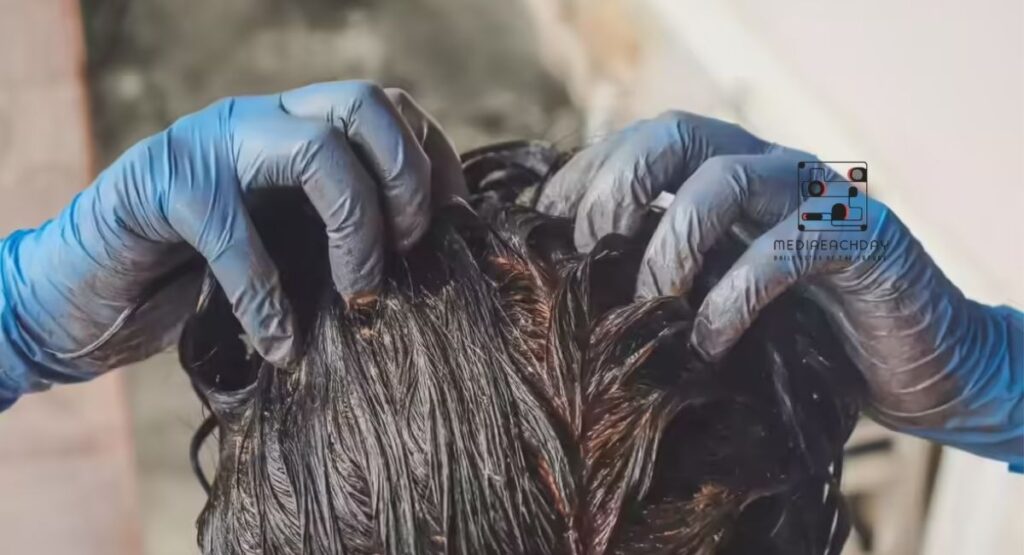
Creativity shines when mixing henna. Because henna can be mixed to customize hair color, users control tone and depth. This appeals strongly to DIY beauty lovers.
Blends using henna with indigo powder cool red tones, while herbs enhance warmth. This approach supports herbal hair color routines without damaging strands.
Henna Protects Scalp Health and Reduces Hair Issues
Healthy hair starts at the scalp. Thanks to its cooling nature, henna protects scalp health and supports balance. Many find relief because henna reduces dandruff and irritation gently.
Research notes henna has antibacterial properties and henna has antifungal properties, which explains its role in henna for dandruff and itch control. It also henna balances scalp oils naturally.
Henna Is Safe for All Hair Types and Genders
Henna adapts well to diversity. Henna is safe for all hair types, from straight to coily textures. It also works across genders without altering hair structure.
Because it coats rather than penetrates, henna is ideal for chemically treated hair and those seeking henna for dry hair or henna for damaged hair repair.
Henna Isn’t Just for Hair
Henna’s uses extend beyond hair. Henna mehndi remains a beloved tradition for celebrations and art. When made from organic mehndi powder, designs stain beautifully and fade safely.
Many still enjoy traditional mehndi designs because henna mehndi is safe for skin. This makes henna popular for natural body art and cosmetic rituals worldwide.
Additional Tips for Using Henna for Hair
Successful results depend on preparation and patience. Clean hair allows better dye bonding, and warm water supports dye release. Color deepens over forty-eight hours, so results evolve slowly.
The table below shows a simple comparison that helps beginners understand expectations.
Table: Henna vs Chemical Dye
Feature | Henna | Chemical Dye
Color method | Surface coating | Penetrates hair
Scalp impact | Gentle | Often irritating
Longevity | Gradual fade | Sudden regrowth
Suitability | henna for natural hair coloring | Synthetic formulas
For deeper reading on plant-based dyes, visithttps://www.ncbi.nlm.nih.gov/pmc/articles/PMC5452224/.
Henna rewards patience. Used correctly, it becomes a trusted ally in long-term hair care and wellness.
FAQs
1: What is the main ingredient in henna?
The main ingredient in henna is the powdered leaf of the henna plant, scientifically called Lawsonia inermis. The leaves are dried and finely ground to release a natural pigment called lawsone. This pigment binds to keratin in hair and skin, creating color without synthetic chemicals or artificial dyes.
2: Why is henna not haram?
Henna is not haram because it is a natural plant product and has been traditionally used for cleanliness, beauty, and celebration. It does not intoxicate, alter the mind, or cause harm when pure. In many cultures, henna is even encouraged for personal grooming and festive occasions.
3: Is henna a drug?
No, henna is not a drug. It does not affect the nervous system or cause dependency. Henna works externally by staining hair or skin. Its effects are cosmetic and temporary, making it a safe herbal product rather than a medicinal or psychoactive substance.
4: Is henna 100% natural?
Pure henna is 100% natural when it contains only ground henna leaves and no additives. However, some commercial products mix chemicals or synthetic dyes. Always check labels to ensure the henna powder is pure and free from artificial ingredients.
5: Are there any negative effects of henna?
Henna is generally safe, but low-quality or adulterated henna may cause irritation. Rare reactions can occur in people with very sensitive skin. Performing a patch test before full application helps avoid problems and ensures a safe experience.
6: Which country uses henna the most?
The country that uses henna the most is India.Henna has deep cultural roots in India, where it is widely used for henna mehndi, traditional weddings, festivals, and religious celebrations. Millions of people apply organic mehndi powder for body art, hair coloring, and even cosmetic purposes.

I am an SEO expert with 4 years of experience. I have worked with numerous clients and helped improve their website SEO.