


Living with persistent discomfort can drain your energy and focus fast. Many people searching for relief wonder whether tramadol for back pain is truly helpful or just another temporary fix. Back pain often sneaks into daily life through long work hours, poor posture, or nerve irritation. When basic remedies fail, stronger options enter the conversation.
Tramadol is often discussed as a strong painkiller medication that targets pain at the nervous system level. People dealing with chronic back pain relief needs want clear answers, not medical jargon. Understanding how this opioid pain reliever works, who it helps most, and where caution matters can help you decide if it fits your pain management plan.
Introduction to Tramadol and Pain Management
Pain management in the United States has changed fast. Doctors now balance relief with safety. Pain management drugs like tramadol for back pain sit between mild pain relievers and stronger opioids. Many patients turn to it when pain interrupts work, sleep, and family life.
People often ask, Is tramadol effective for arthritis or tramadol for back pain because pain feels different for everyone. Tramadol aims to lower pain signals so daily life feels manageable again. It focuses on comfort, not cures.
What Is Tramadol and How Does It Work in the Body
Tramadol for back pain is a synthetic opioid pain reliever with a unique twist. It targets opioid receptors and brain chemicals together. This dual action explains How tramadol works for pain compared to basic painkillers like ibuprofen.
In simple terms, Tramadol blocks pain signals before they fully register. These pain signals traveling to the brain become weaker. The body still feels pain, but it feels quieter and easier to tolerate.
Why Tramadol Is Considered a Strong Painkiller
Doctors call tramadol for back pain a strong painkiller medication because it treats moderate to severe pain treatment needs. It often helps when over-the-counter drugs stop working. This includes nerve pain, joint pain, and recovery discomfort.
Unlike heavier opioids, tramadol acts more gently. Still, Tramadol pain relief can feel powerful, especially for first-time users. That strength explains why doctors prescribe it carefully and for limited periods.
Common Causes of Chronic Back Pain and Arthritis
Back pain often starts with strain, disc wear, or back pain caused by nerve compression. Sitting long hours and poor posture worsen it. Arthritis develops differently and is usually arthritis caused by cartilage wear over time.
Both conditions involve inflammation in nerves and joints. That inflammation triggers stiffness, swelling, and pain. Understanding the cause explains why medication alone rarely solves the full problem.
How Tramadol Helps Relieve Back Pain
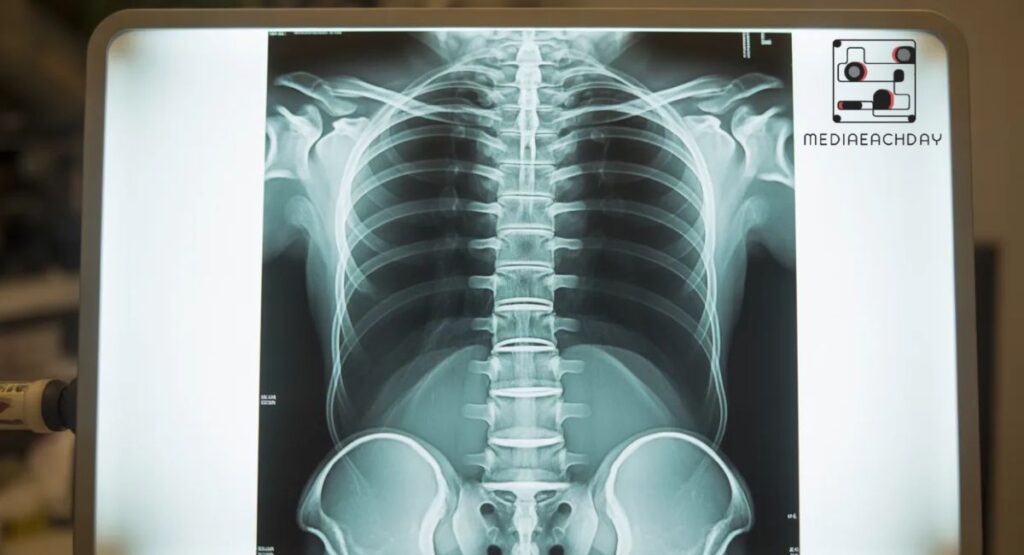
For spine problems, Tramadol for back pain works as a nerve pain medication. It calms irritated nerves so muscles relax. That relief often improves sleep and daily movement.
This creates chronic back pain relief when combined wisely. Doctors often stress combining tramadol with therapy and rest. Movement, stretching, and time matter as much as medication.
Tramadol for Arthritis Pain Relief – What Patients Experience
People using Tramadol for arthritis often report relief from joint stiffness, especially in the morning. The drug reduces discomfort so walking and gripping feel easier again.
As an arthritis pain treatment, tramadol offers short-term pain relief. It improves comfort but does not change joint structure. Results vary depending on severity and overall health.
Can Tramadol Cure Arthritis or Only Manage Symptoms
Many ask, Does tramadol cure arthritis. The answer matters. Tramadol does not fix arthritis completely. It only reduces how pain feels.
This means patients are managing pain, not curing the condition. Tramadol offers temporary pain relief with tramadol, while lifestyle changes and medical care handle long-term joint health.
Real Patient Experiences and Reported Results
Patient stories show a pattern. Many describe a moderate to severe pain relief experience during flare-ups. Others notice fatigue or dizziness after repeated doses.
Some patients use tramadol for back pain after injuries as post-surgery pain relief. Short courses work best. Long use often leads to weaker effects over time.
Side Effects, Risks, and Long-Term Use Concerns
Like all opioids, Tramadol side effects exist. These include nausea, sleepiness, and headaches. The biggest concern is the risk of dependence and tolerance.
Doctors emphasize Tramadol use guidelines for safety. That usually means short-term use of tramadol and careful dose control. Mixing with alcohol increases danger.
Here is a simple comparison table for clarity.
Condition | Benefit Level | Best Use Duration
Back pain flare | Moderate relief | Short-term
Arthritis stiffness | Mild to moderate relief | Limited periods
Post-surgery pain | Strong relief | Very short-term
When Doctors Recommend Tramadol and When They Avoid It
Doctors recommend tramadol for back pain when pain blocks daily life and other options fail. It fits joint pain management plans during acute phases.
They avoid it for long-term daily use or in patients with addiction history. Safety always comes before comfort in medical decisions.
Final Wrap-Up: Is Tramadol the Right Choice for Back Pain or Arthritis
So, Is tramadol for back pain or arthritis? Yes, for relief. Not for repair. It helps people function while other treatments work behind the scenes.
Used carefully, tramadol supports healing routines. Used carelessly, it creates new problems. Smart use keeps pain quieter while life moves forward.
FAQs
1: Is tramadol effective for back pain or arthritis?
Yes, tramadol can be effective for both back pain and arthritis when the pain is moderate to severe. It helps reduce pain signals in the body, making daily activities more manageable, but it does not cure the underlying condition.
2: How does tramadol work for back pain and arthritis?
Tramadol works by blocking pain signals traveling to the brain and calming irritated nerves. This action helps reduce discomfort caused by inflammation, nerve compression, or joint stiffness.
3: Can tramadol cure arthritis or fix chronic back pain?
No, tramadol does not cure arthritis or fix chronic back pain. It only manages symptoms by reducing pain. Long-term improvement usually requires therapy, exercise, and medical care.
4: How long does tramadol provide pain relief?
Tramadol typically provides short-term pain relief lasting several hours. It is often prescribed for temporary use during flare-ups or acute pain episodes rather than as a permanent solution.
5: What are the risks of using tramadol long term?
Long-term use of tramadol may increase the risk of dependence, tolerance, and side effects such as dizziness or fatigue. Doctors usually recommend using it for the shortest time possible.
6: When do doctors recommend tramadol for pain management?
Doctors recommend tramadol when other pain relief options fail and pain significantly affects daily life. It is commonly used for short-term management of back pain, arthritis flare-ups, or post-surgery recovery.

I am an SEO expert with 4 years of experience. I have worked with numerous clients and helped improve their website SEO.