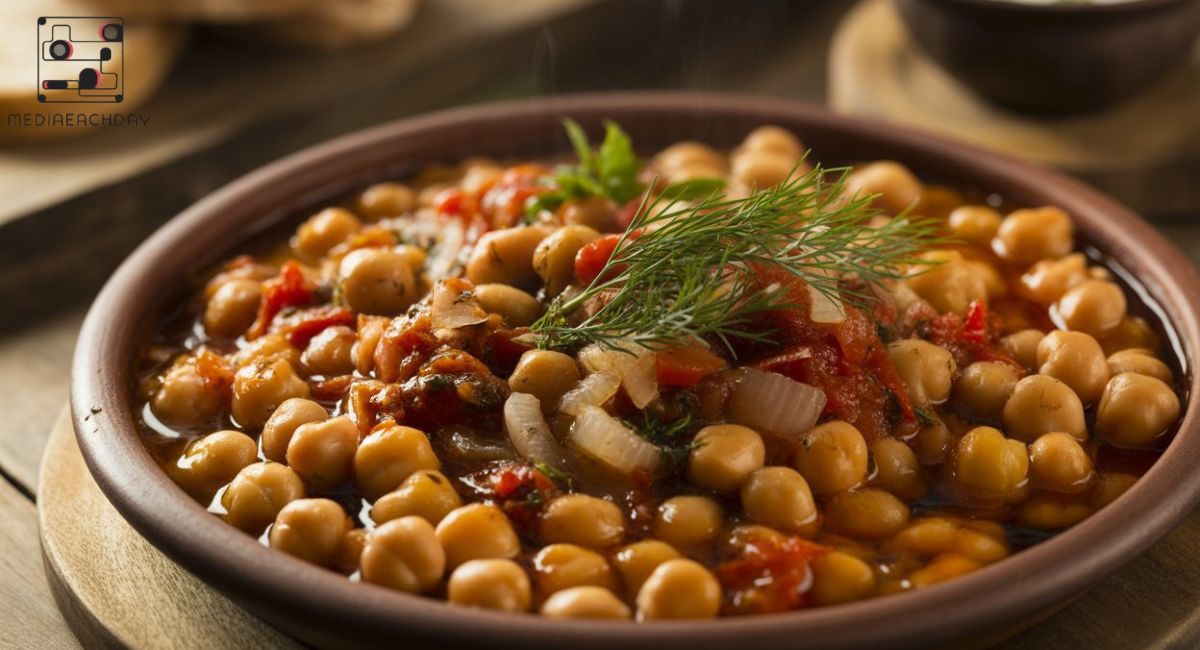

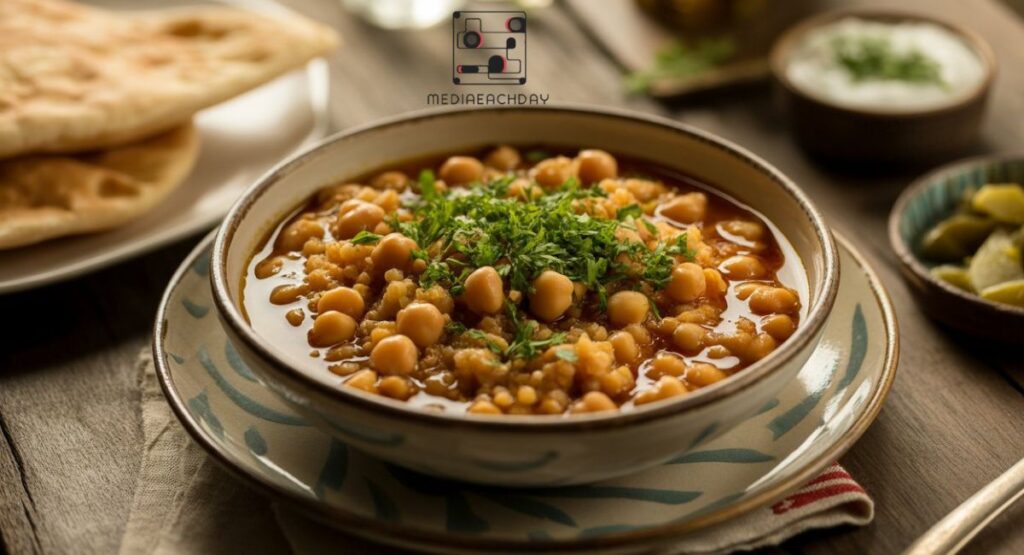
Çeciir may sound unfamiliar at first, yet it carries centuries of flavor, memory, and nourishment within a single name. Rooted deeply in Traditional Turkish food, Çeciir represents a time when meals were simple, honest, and made to sustain both body and spirit. This beloved Turkish chickpea dish has long appeared on family tables as a warm stew, a crunchy bite, or a versatile flour.
As interest grows in Healthy traditional foods, Çeciir feels surprisingly relevant to modern kitchens. Made from humble chickpeas, it reflects the wisdom of Ancient Middle Eastern cuisine and the lasting comfort of Traditional Anatolian cuisine, offering nourishment that still resonates today.
Introduction
At first glance, Çeciir may seem unfamiliar, yet it fits perfectly beside soups, stews, and snacks you already enjoy. This Turkish chickpea dish has traveled through time while staying rooted in everyday life. Its charm lies in simplicity, warmth, and nourishment you can feel after one bowl.
As interest grows in Traditional Turkish food, Americans are rediscovering recipes that feel honest and grounding. Çeciir speaks directly to you if you enjoy food with a story. It blends tradition, nutrition, and comfort in a way that feels welcoming rather than exotic.
What Is Çeciir?
So, what is çeciir exactly? Çeciir is çeciir made from chickpeas, prepared as a stew, a crunchy bite, or a smooth flour. In many homes, it appears as a Homemade chickpea stew simmered gently with spices, onions, and olive oil.
Unlike hummus or falafel, this Middle Eastern chickpea recipe stays closer to the chickpea’s natural texture. It belongs to the wider family of Chickpea-based foods, yet it keeps its own identity. Think simple ingredients turning into something deeply satisfying.
Origins of Çeciir
The history of chickpeas in Turkey stretches back thousands of years. Ancient farmers relied on chickpeas because they stored well and fed many. Over time, these legumes became central to Ancient Middle Eastern cuisine, shaping daily meals and travel food.
Çeciir grew from necessity into tradition. Passed through generations, it reflects Traditional Anatolian cuisine at its core. Long before supermarkets, people trusted foods that endured seasons. That trust still echoes in every pot of Çeciir cooked today.
Early Cultivation and Spread
Chickpeas first thrived across the Middle East and Mediterranean regions. Traders carried them along routes that later shaped global diets. These journeys helped transform chickpeas into one of the world’s most reliable Legume-based meals.
When chickpeas reached Europe and the Americas, they adapted easily. Today, they support Mediterranean diet foods and modern wellness trends. Their spread explains why chickpeas are popular across cultures and kitchens.
Cultural Importance of Çeciir
Food in Turkey often equals care. The cultural importance of Turkish food shows clearly in Çeciir. Serving it means welcoming someone into your space. It’s shared slowly, usually with bread and conversation.
As a Turkish comfort food, Çeciir connects family members across ages. Elders teach children recipes by feel, not measurements. That living tradition keeps traditional foods still eaten today alive and meaningful.
How Çeciir Is Made
Many readers ask how is çeciir made, and the answer is refreshingly simple. Chickpeas soak overnight, then cook until tender. This step mirrors how to cook chickpeas for stew properly, unlocking both flavor and digestion.
A traditional çeciir recipe builds taste through patience. Onions soften, spices bloom, and chickpeas absorb everything slowly. This gentle method protects nutrients and makes the dish easy on the stomach.
Çeciir as a Snack or Flour
Çeciir isn’t only a stew. Çeciir as a snack or flour shows its versatility. Roasted chickpeas become a crunchy Roasted chickpeas snack, perfect for busy afternoons or movie nights.
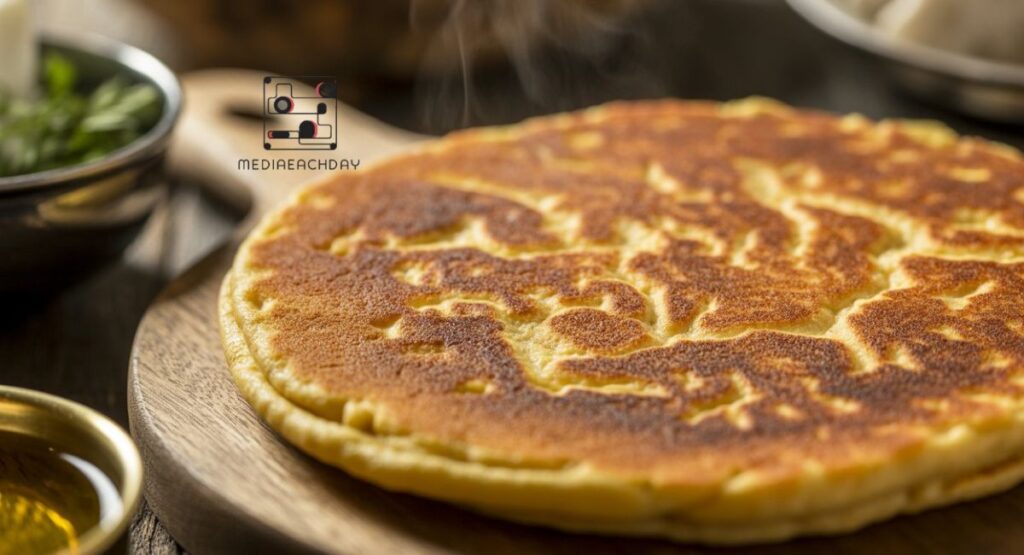
When ground, chickpeas turn into flour. These Chickpea flour uses appear in pancakes, flatbreads, and batters. Many cooks explore Gram flour recipes for their nutty taste and satisfying texture.
Nutritional Value of Çeciir
The nutritional value of chickpeas explains why Çeciir earns praise as one of nature’s Natural superfoods. Chickpeas offer protein, fiber, iron, and steady energy without heaviness.
Here is a simple table showing key benefits:
Nutrient | Benefit
Protein | Supports muscles and fullness
Fiber | Aids high fiber foods for digestion
Iron | Helps energy levels
Potassium | Supports chickpeas for heart health
Because of this balance, many ask is çeciir healthy. The answer is yes, especially for those seeking Plant-based protein sources and High-protein vegetarian foods.
Modern Uses of Çeciir
Today, cooks experiment freely. Salads, bowls, and soups all welcome chickpeas. These modern uses of chickpeas reflect changing tastes and global kitchens blending traditions.
Çeciir also fits wellness lifestyles. It appears in Vegan Turkish recipes, plant-based Turkish dishes, and Gluten-free Turkish foods. Many ask is çeciir gluten free, and chickpeas naturally say yes.
Why People Love Çeciir Today
People love Çeciir for practical reasons. It stores well, cooks simply, and satisfies deeply. As Healthy traditional foods regain attention, Çeciir feels like a smart return to basics.
It also suits modern snacking habits. Think bowls, wraps, or healthy Middle Eastern snacks made from roasted chickpeas. With so many easy chickpea recipes, this dish feels endlessly adaptable.
Conclusion
Çeciir: A Nutrient-Rich Legacy of Turkish Culinary Tradition stands as proof that old foods still matter. It blends nourishment, comfort, and culture in every form. From stews to flour, its versatility keeps it relevant.
As interest grows in mindful eating, Çeciir: A Nutrient-Rich Legacy of Turkish Culinary Tradition offers something rare. It feeds the body and the story-loving soul at the same time.
FAQs
1: What is Çeciir made from?
Çeciir is made from chickpeas. Depending on the recipe, it can be cooked as a stew, roasted as a snack, or ground into chickpea flour for baking and cooking.
2: Is Çeciir healthy to eat regularly?
Yes, Çeciir is healthy when eaten regularly. It is rich in plant-based protein, fiber, vitamins, and minerals that support digestion, heart health, and long-lasting energy.
3: Is Çeciir gluten free?
Çeciir is naturally gluten free because it is made only from chickpeas. This makes it a good choice for people with gluten sensitivity or celiac disease.
4: How is Çeciir different from hummus or falafel?
Unlike hummus or falafel, Çeciir keeps chickpeas mostly whole. It is usually served as a stew, roasted snack, or flour, rather than being blended or fried.
5: How long does it take to cook Çeciir?
If dried chickpeas are soaked overnight, Çeciir usually takes about 60 to 90 minutes to cook. Using canned chickpeas can reduce cooking time.
6: Can Çeciir help with weight management?
Yes, Çeciir can help with weight management. Its high fiber and protein content helps you feel full longer and may reduce unnecessary snacking.
7: What dishes can I make using chickpea flour from Çeciir?
Chickpea flour can be used to make pancakes, flatbreads, fritters, sauces, and gluten-free baked goods. It adds a mild, nutty flavor and extra nutrition.
8: Why is Çeciir still popular today?
Çeciir remains popular because it is affordable, nutritious, versatile, and deeply rooted in tradition. It fits modern diets while preserving cultural heritage.

I am an SEO expert with 4 years of experience. I have worked with numerous clients and helped improve their website SEO.