
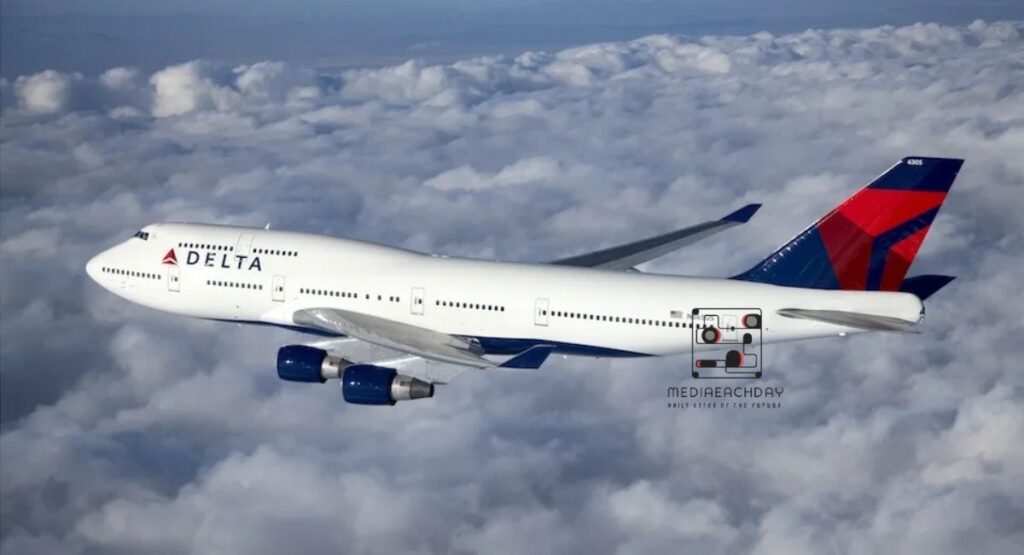
On May 28, 2025, delta flight dl275 japan diversion lax faced an unexpected challenge during its long-haul journey from Detroit to Tokyo. Midway over the North Pacific flight routes, the pilots detected an engine anti-ice malfunction, prompting a precautionary flight diversion to Los Angeles International Airport LAX. What could have been a stressful situation turned into a showcase of Delta crew response and professional in-flight safety management.
Passengers experienced calm communication and efficient flight rebooking and accommodations, while aviation enthusiasts and media closely followed real-time updates. This incident highlights how modern aircraft, advanced aviation safety protocols, and quick decision-making ensure that passenger safety always comes first on international flights.
Delta Flight DL275 Diverted LAX: A Real-World Aviation Safety Case
Delta Flight DL275 Diverted LAX became a real-world example of how Delta Air Lines flight diversion procedures work under pressure. Flying at cruising altitude 38,000 feet, the pilots detected an engine anti-ice malfunction while over the North Pacific flight routes. The decision to reroute to Los Angeles International Airport LAX was made not out of panic, but careful calculation of flight diversion logistics and maintenance availability.
Aviation experts note that diversions like this demonstrate the importance of preventive maintenance and airline operational decision-making. Mid-air turnbacks are rare but necessary, ensuring long-haul flights like DL275 can safely navigate unexpected technical problems. The crew’s professionalism and quick thinking exemplify modern aviation’s commitment to passenger experience during flight diversion.
Overview of Delta Flight dl275 japan diversion lax
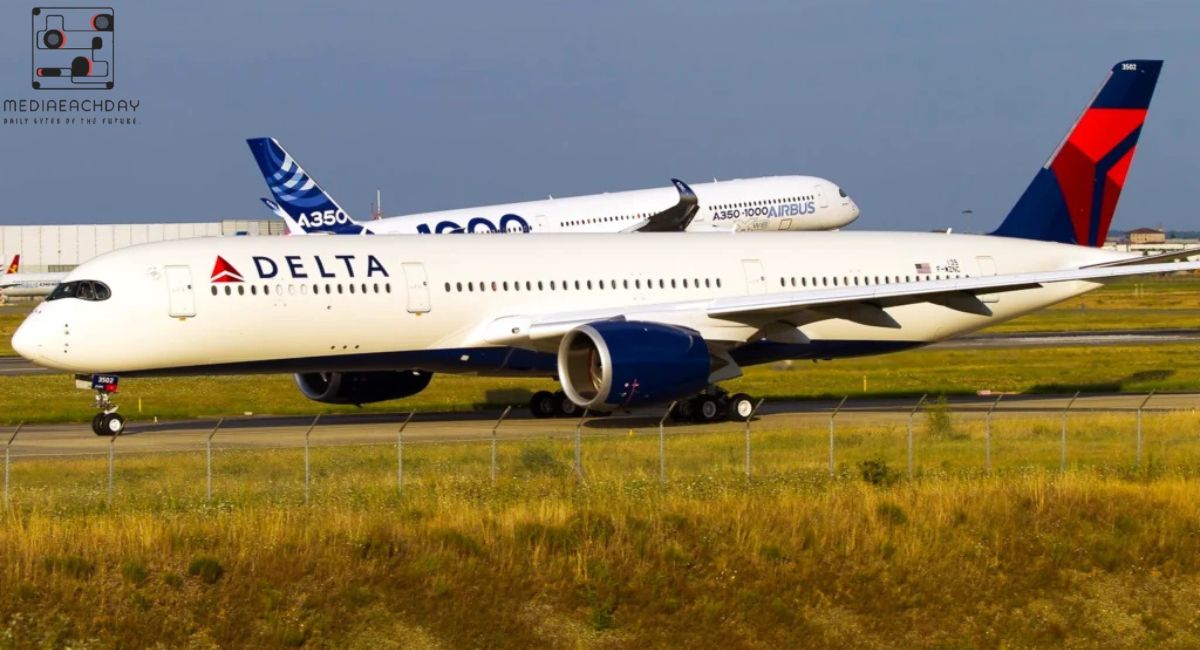
Delta Flight DL275 operates daily between Detroit Metropolitan Wayne County Airport (DTW) and Tokyo Haneda Airport (HND). The flight is one of Delta international flights that carry business travelers and families across the Pacific. Typically, the journey takes about 13 hours, and Delta Air Lines uses the Airbus A350-900 with Rolls-Royce Trent XWB engines to ensure Airbus A350-900 safety and comfort.
The aircraft involved, N508DN (tail number), is a modern long-haul jet equipped with advanced systems. Its use reflects Delta Air Lines’ dedication to high standards of flight safety protocols and operational reliability. Frequent passengers appreciate the blend of efficiency, quiet cabins, and onboard amenities that make this long-haul route popular.
Timeline of Events Leading to the Diversion
The day began with a delay because delta flight dl275 japan diversion lax arrived late from Amsterdam as DL133. The flight departed from Detroit Metropolitan Wayne County Airport (DTW) at 3:53 PM local time. About 5–6 hours into flight, the crew identified an anti-ice system failure while flying over the North Pacific flight routes. They immediately began real-time decision making to ensure safety.
The diversion to Los Angeles International Airport LAX added several hours but prioritized passenger safety. The flight landed at Runway 06R around 1:08 AM local time after 12 hours 15 minutes flight time. This timeline highlights how Delta Air Lines handles mid-air emergencies with precision, minimizing risks during trans-Pacific flight delays.
Why Did Delta Flight DL275 Divert to Los Angeles?
The primary reason for delta flight dl275 japan diversion lax was the engine anti-ice system issue. Ice can build up on the engines at high altitude, reducing efficiency and potentially causing serious problems. The pilots decided to divert to a hub with aviation maintenance facilities capable of handling Airbus A350-900 safety inspections.
Choosing Los Angeles International Airport LAX over closer airports was strategic. LAX has advanced flight rebooking and accommodations for international passengers, widebody aircraft support, and certified Delta crew response teams. These considerations make it safer than stopping at smaller airports like Anchorage Airport or Seattle Airport.
Anti-Ice System Malfunction (Primary Cause)
The engine anti-ice system prevents ice from forming on the engines during cold, high-altitude flight. When the system malfunctioned, continuing over the ocean posed a serious risk. Delta Flight DL275’s pilots acted quickly, following aviation safety protocols.
Ice accumulation can affect airflow and reduce engine efficiency. This is why real-time flight updates and emergency landing procedures are critical during Delta Air Lines flight diversion events.
Why Not Land in Anchorage or Seattle?
Although geographically closer, Anchorage Airport and Seattle Airport lack the extensive aviation maintenance facilities that Los Angeles International Airport LAX offers. LAX ensures quick aircraft repair, smooth passenger care and rebooking, and accommodates large international flights.
Delta also considered flight diversion logistics, ensuring passengers had access to hotels, food, and onward connections. This decision reinforced both passenger safety procedures and operational efficiency.
What Is an Engine Anti-Ice System?
An engine anti-ice system keeps engine inlets and fan blades warm using hot air from the engines. This prevents ice formation, which could reduce engine thrust and safety. Modern jets like the Airbus A350-900 rely on this system to cross freezing North Pacific flight routes.
Failures in this system trigger Delta Air Lines flight diversion protocols. Pilots follow strict long-haul flight precautions to ensure the plane never flies with compromised systems over remote oceans.
Passenger Experience and Crew Response
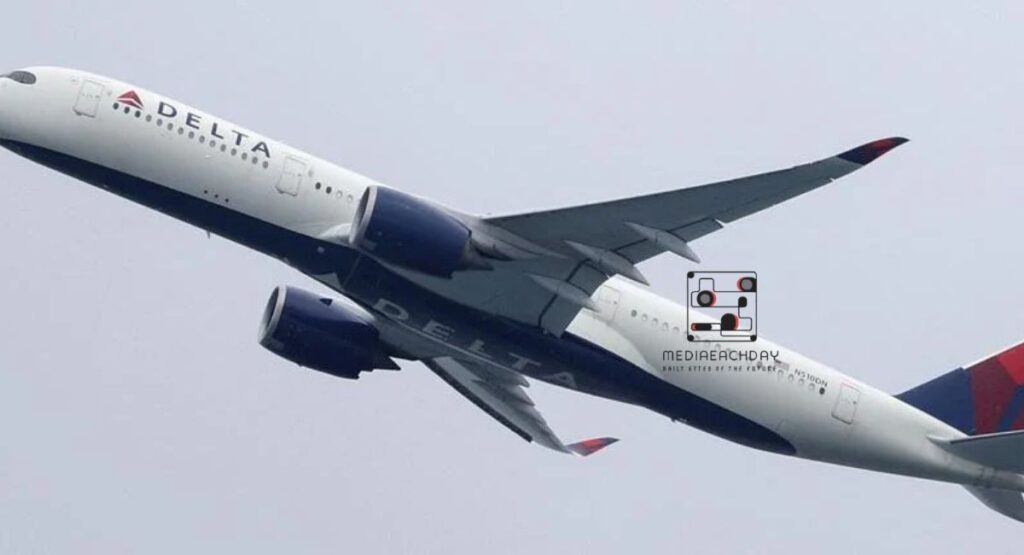
Passengers reported calm, professional Delta crew response during the diversion. Flight attendants provided regular onboard communication updates, explaining the situation without causing panic. This level of care is part of passenger experience during flight diversion.
Keeping travelers informed is key. Crew professionalism, combined with Delta flight tracking for passengers and families on the ground, reassured everyone that the diversion was precautionary, not a true emergency.
Onboard Communication
Announcements from the cockpit clearly explained the mid-air turnback. Passengers were informed about expected landing time, 12 hours 15 minutes flight time, and hotel arrangements at LAX. Transparent communication is a hallmark of delta flight dl275 japan diversion lax procedures.
Social Media Reactions
Hashtags like #DL275 and #DeltaDivertedLAX trended quickly. Passengers shared photos and updates, while aviation enthusiasts praised the Delta crew response. Social platforms amplified the story, showing the power of real-time flight updates and public engagement.
What Happened at LAX After Landing?
Upon arrival at Los Angeles International Airport LAX, emergency teams followed standard emergency landing procedures. The plane was moved to a remote gate for aircraft inspection, and passengers were assisted with accommodations and onward travel.
The quick and organized response reflected Delta Air Lines’ operational efficiency. Flight rebooking and accommodations ensured passengers continued their journey with minimal disruption.
Emergency Response
Airport crews were on standby at Runway 06R, conducting checks and supporting Delta crew response. The safe landing highlighted the importance of well-coordinated aviation maintenance facilities and real-time decision making.
Passenger Care and Rebooking
Passengers received hotel rooms, meal vouchers, and rebooking assistance. Delta prioritized urgent connections and medical needs. This shows how delta flight dl275 japan diversion lax protocols integrate passenger care and rebooking seamlessly.
Aircraft Status After the Diversion
The Airbus A350-900 (N508DN) stayed on the ground for about 18.5 hours. Maintenance teams inspected the engine anti-ice system and confirmed no broader issue. The aircraft returned to service, proving reliability of modern aircraft and the efficiency of aviation maintenance facilities.
Similar Delta Diversions the Same Day
On the same day, two other Delta Air Lines flight diversions occurred. DL2346 diverted to JFK due to a loud noise, and DL2286 diverted to Charlotte for smoke in the cockpit. While unrelated, these events highlight the robustness of preventive maintenance and real-time decision making in airline operations.
What This Incident Says About Airline Safety
The Delta Flight DL275 Diverted LAX case reinforces that safety is always the priority. Pilots, Delta crew response, and ground operations collaborated to prevent risks over the Pacific. Aviation safety case study examples like this show why strict passenger safety procedures exist.
Real-Time Decision Making
Pilots worked with operations and controllers to choose the safest route. Delta Air Lines flight diversion procedures rely on expert real-time decision making, balancing technical issues with passenger care and international flight regulations.
Reliability of Modern Aircraft
Even advanced Airbus A350-900 jets can face issues. The Rolls-Royce Trent XWB engines are reliable, but redundancy ensures safety. This incident proves that diversions are preventive, showcasing Airbus A350-900 safety and crew readiness.
Media and Industry Reaction
Media praised Delta Air Lines for professionalism. Aviation blogs and forums called the diversion a “textbook case” of Delta crew response. The story also highlighted trans-Pacific flight delays and the importance of flight diversion logistics.
SEO Insights — Why This Story Trended
The story trended because of Delta flight tracking, passenger posts, and media coverage. Keywords like “DL275 emergency landing,” “Delta A350 diversion,” “delta flight dl275 japan diversion lax,” and “LAX flight diversion” drove searches. Accurate real-time flight updates made this incident a top trending aviation story.
Lessons for Passengers on Long-Haul Flights
Travelers should prepare for diversions by keeping essentials like passports, chargers, and medications accessible. Staying calm, listening to crew, and using Delta flight tracking apps enhances passenger experience during flight diversion. These small steps help manage long-haul flight precautions safely and efficiently.
Final Thoughts: Delta Flight dl275 Japan Diversion LAX
The delta flight dl275 japan diversion lax incident demonstrates Delta Air Lines’ commitment to passenger safety procedures and Airbus A350-900 safety. Safe landing, professional crew, and quick flight rebooking and accommodations prove how modern aviation balances technology, human skill, and logistics. Travelers can feel reassured that safety comes first.

I am an SEO expert with 4 years of experience. I have worked with numerous clients and helped improve their website SEO.