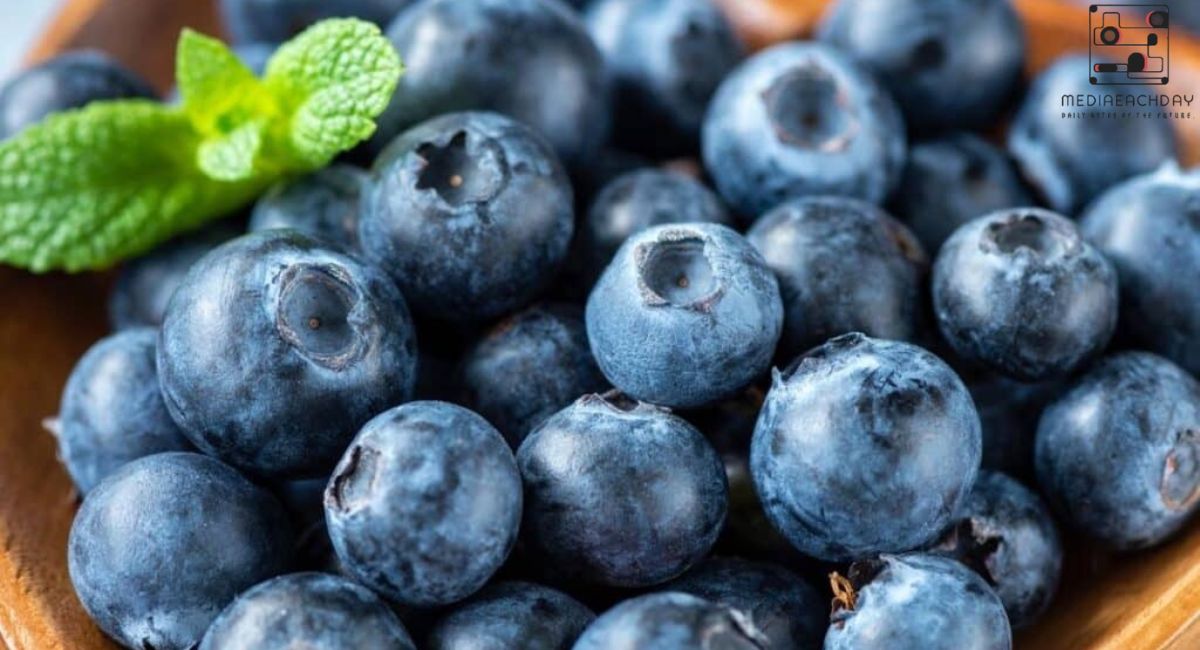

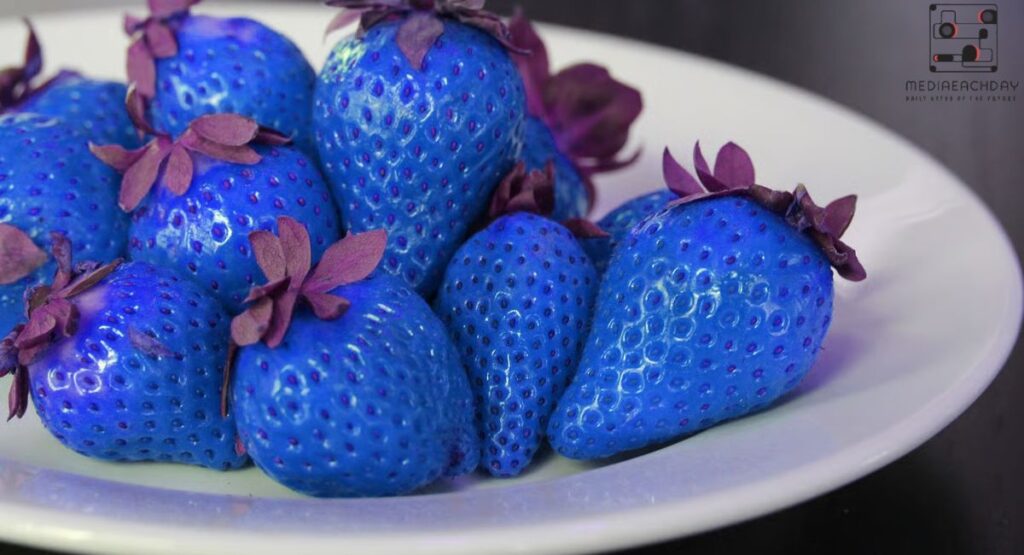
Naturally blue foods capture attention in a way few colors can. They feel rare, exciting, and almost magical on the plate. In recent years, these foods have gained popularity as people look for cleaner labels and safer ingredients. From blue spirulina smoothies to butterfly pea tea, naturally blue foods show how nature creates color without chemicals.
They support healthier choices while still offering strong visual appeal. As interest in natural food coloring grows, more brands turn to plant based food coloring to replace artificial dyes. These foods also connect closely with the clean label food colors movement, proving that beauty and wellness can exist together. With rising demand for healthy food coloring options, naturally blue foods are no longer a novelty.
Introduction to Naturally Blue Foods Coloring
Blue rarely appears in nature, which once made it difficult to use safely. With rising regulatory restrictions on dyes, food companies needed new answers. Natural Blue Food Coloring became that answer by offering reliable color from plants and algae.
In the United States, clean labels drive buying decisions. Brands now choose naturally Blue foods coloring to earn trust. Blue shades made from nature help products look exciting while staying aligned with food safety regulations.
What Is Natural Blue Food Coloring?
Natural Blue Food Coloring comes from plant based pigments rather than chemicals. These pigments are extracted using careful natural color extraction methods that preserve color and safety. The result is a blue tone suitable for drinks, desserts, and dairy.
Unlike artificial dyes, this natural blue color for food uses real biological compounds. These colors fall under natural color additives and meet strict standards. They support honest labels and cleaner formulas that shoppers understand.
Key Differences Between Naturally Blue Foods and Artificial Blue Food Colors
Artificial dyes are often petroleum-based and linked to health debates. Natural Blue Food Coloring relies on natural pigments for food sourced from plants or algae. This difference matters to families and health-focused buyers.
Another key gap lies in trust. Synthetic food dye alternatives respond to public concern and changing laws. Natural solutions support natural ingredient sourcing and feel safer for long-term use, especially in children’s foods.
Popular Sources of Natural Blue Food Coloring
Spirulina is a leading source of blue color from plants, even though it is algae. Its pigment, phycocyanin, produces a vivid blue and supports antioxidant rich coloring. Butterfly pea flower adds flexibility with color-changing properties.
Red cabbage and other botanicals also contribute. These plant based food coloring sources allow brands to adjust shades gently. Each source supports vegan friendly ingredients and aligns with sustainable practices.
Health and Nutritional Benefits of Naturally Blue Foods Coloring
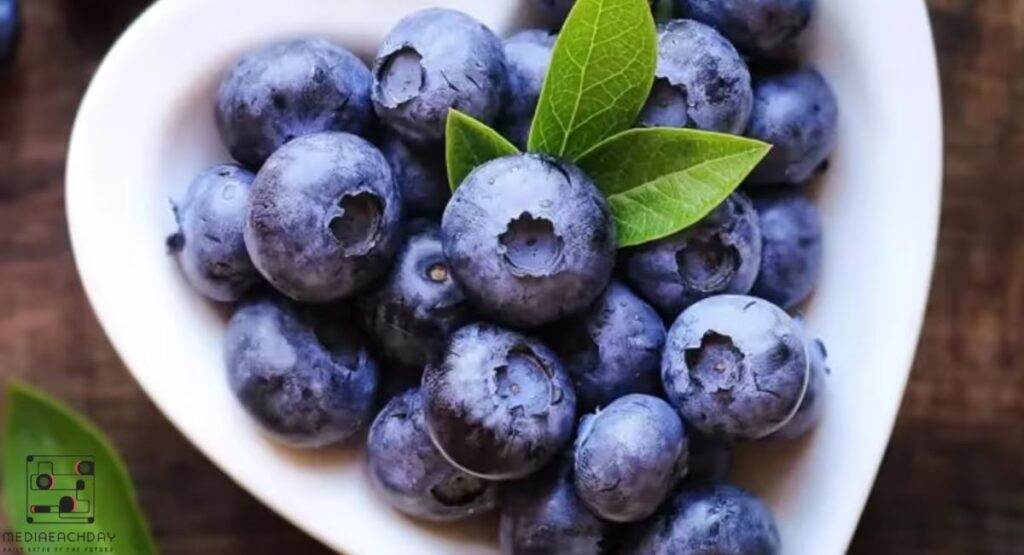
Many natural blue pigments contain antioxidants. This makes them part of healthy food coloring options rather than empty decoration. Consumers see added value beyond color alone.
Because they avoid harsh chemicals, these colors suit sensitive diets. They support wellness trends and reduce risk concerns. Natural Blue Food Coloring fits perfectly into products made for mindful eating.
Applications of Natural Blue Food Coloring in the Food Industry
In beverages, blue suggests energy and refreshment. Natural Blue Food Coloring improves color performance in foods like sports drinks and flavored waters. It keeps formulas clean and appealing.
Dairy, candy, and baked goods also benefit. During food product formulation, natural blues help brands stand out without artificial dyes. The result feels premium and responsible.
Stability, Shelf Life, and Performance Challenges
Natural blue pigments can fade under heat or light. Heat and light stability remains a challenge in baking and processing. Manufacturers must plan carefully.
To manage this, companies adjust pH and packaging. These steps protect color strength and extend shelf life. Innovation continues to improve performance every year.
Innovations and Technological Advancements in Naturally Blue Foods Coloring
Modern science has improved pigment protection. Encapsulation shields color during processing. Fermentation creates consistent plant based pigments with better stability.
These advances help Natural Blue Food Coloring compete with artificial dyes. Brands now achieve reliable results while keeping labels clean and honest.
Market Trends, Regulations, and Consumer Demand
U.S. shoppers favor transparency. They want proof of safety and sourcing. Natural Blue Food Coloring meets FDA expectations and aligns with sustainable food ingredients trends.
Retailers also push for cleaner products. As demand grows, availability improves. Prices continue to stabilize across categories.
The Future of Natural Blue Food Coloring
The future looks bright and blue. Research keeps improving shade strength and stability. Natural Blue Food Coloring will appear in more everyday foods soon.
As laws tighten and trust matters more, natural solutions will dominate. Blue will no longer feel artificial. It will feel normal and safe.
Conclusion
Natural Blue Food Coloring represents progress in modern food design. It balances beauty, safety, and responsibility. From sourcing to shelf, it meets today’s expectations.
As innovation grows, blue made from nature will lead the way. For brands and consumers alike, it is the smarter and healthier choice.

I am an SEO expert with 4 years of experience. I have worked with numerous clients and helped improve their website SEO.